
世界艺术史研究,需要完整而充分地把握所有文明的图像,分析其内在思想,以进行准确的知识发现和学术记录。现阶段的艺术史研究,在传统意义上的欧洲、美国、中国和日本之外,仍有许多地区关于艺术和文化的观念与知识,尚未得到综合性的整理,甚至没有进入国际视野,需要去发现、去连接、去书写、去共享。“桥”计划是国际艺术史学会(CIHA)倡导的全球分享项目,也是上海外国语大学世界艺术史研究所致力于推动实施的公益服务,旨在通过扩大不同国家与文化艺术之间知识分享范畴的方式,推动对所有人类艺术与文明的记述、保护与延续。在熊熊烈火中消逝:托勒密时期(Ptolemaic)亚历山大城(Alexandria)的火葬Consumed in Raging Fire:Cremation Burial in Ptolemaic Alexandria主办方:ARCE(美国埃及研究中心)主讲人:TomLandvatter博士(密歇根大学古典艺术和考古学跨部门项目博士)是俄勒冈州波特兰市里德学院希腊、拉丁和古地中海研究和人文学科的副教授。他的教学和研究兴趣集中在希腊化时期(公元前 323-30 年)东地中海的历史和考古学,特别是塞浦
世界艺术史研究,需要完整而充分地把握所有文明的图像,分析其内在思想,以进行准确的知识发现和学术记录。现阶段的艺术史研究,在传统意义上的欧洲、美国、中国和日本之外,仍有许多地区关于艺术和文化的观念与知识,尚未得到综合性的整理,甚至没有进入国际视野,需要去发现、去连接、去书写、去共享。
“桥”计划是国际艺术史学会(CIHA)倡导的全球分享项目,也是上海外国语大学世界艺术史研究所致力于推动实施的公益服务,旨在通过扩大不同国家与文化艺术之间知识分享范畴的方式,推动对所有人类艺术与文明的记述、保护与延续。
在熊熊烈火中消逝:托勒密时期(Ptolemaic)
亚历山大城(Alexandria)的火葬
Consumed in Raging Fire:
Cremation Burial in Ptolemaic Alexandria
主办方:
ARCE(美国埃及研究中心)
主讲人:
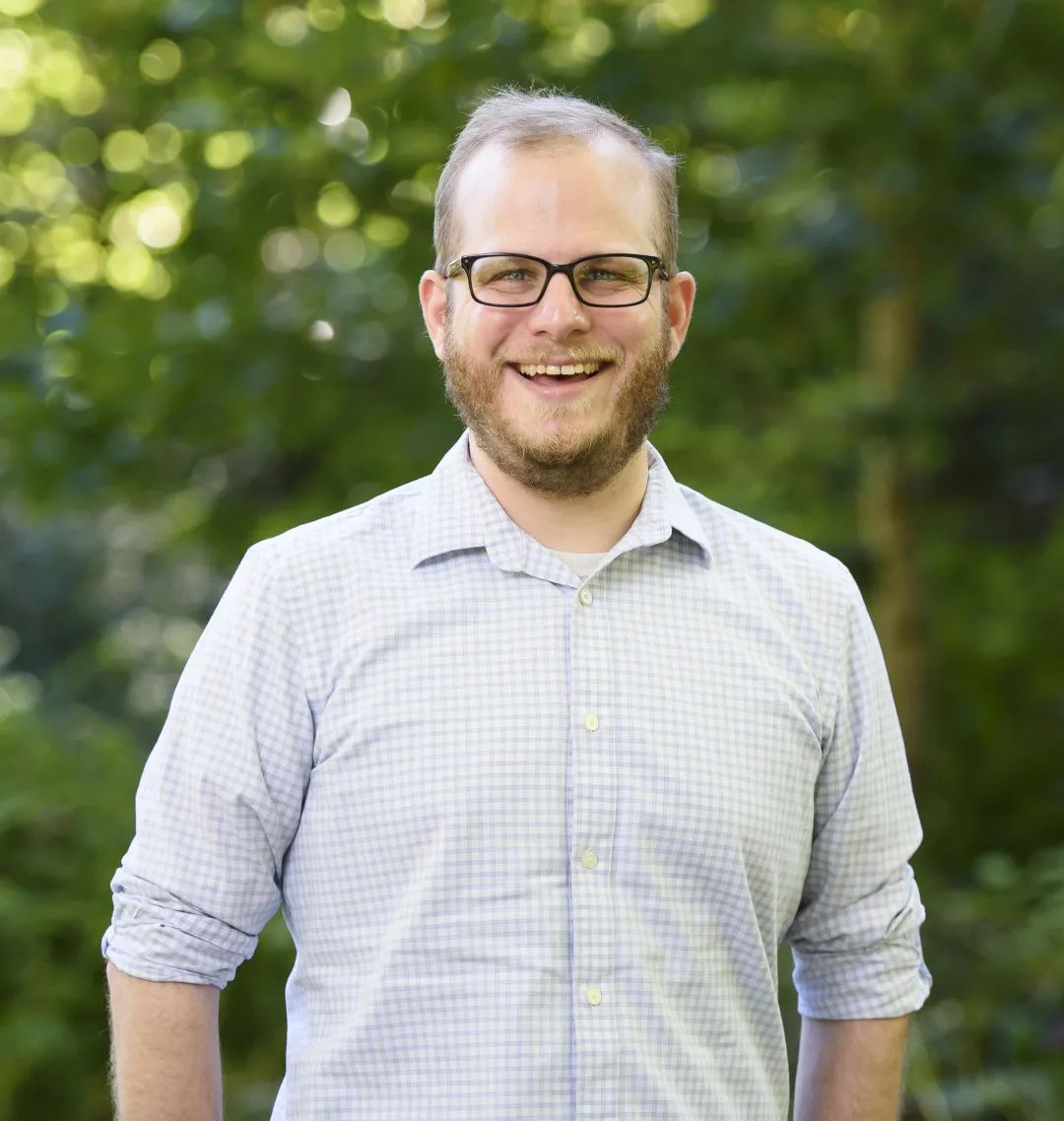
Tom Landvatter博士(密歇根大学古典艺术和考古学跨部门项目博士)是俄勒冈州波特兰市里德学院希腊、拉丁和古地中海研究和人文学科的副教授。他的教学和研究兴趣集中在希腊化时期(公元前 323-30 年)东地中海的历史和考古学,特别是塞浦路斯和托勒密时期的埃及。他在埃及的Mendes、尤其是阿拜多斯(Abydos)进行了挖掘,这一直是他研究和出版物的重点。目前,他在塞浦路斯拉纳卡(Larnaca)附近的维格拉(Vigla) 共同指导针对希腊化时期防御工事的挖掘工作。
时间:
太平洋时间:2022.8.28 15:00
北京时间:2022.8.29 7:00
地点:
Zoom线上会议,需提前注册
注册链接:
https://www.arce.org/event/arce-northern-ca-consumed-raging-fire-cremation-burial-ptolemaic-alexandria
如有问题可联系:arcencZOOM@gmail.com
语言:
英语
原文链接:
https://www.arce.org/event/arce-northern-ca-consumed-raging-fire-cremation-burial-ptolemaic-alexandria
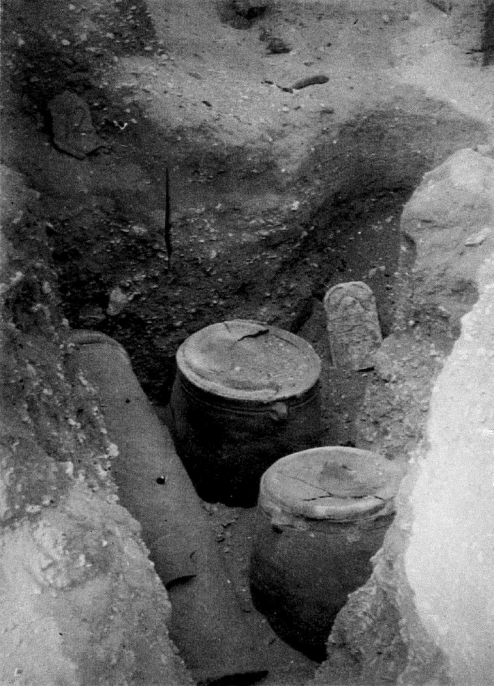
诚然,木乃伊是与古埃及联系最紧密的埋葬方式。因此,当火葬这种与木乃伊对立的墓葬形式被证实确实在一段时间内存于埃及时,可能会让人感到惊讶。在托勒密时期(the Ptolemaic period)(公元前305-30年),当埃及由希腊-马其顿王朝统治时,木乃伊仍然是埃及许多贵族阶层选择的埋葬方式。然而,在首都亚历山大(Alexandria)和其他地方,相当一部分墓葬实际上是火葬。在这次讲座中,我们将探讨托勒密时期亚历山大城的火葬墓葬、采用火葬的人群、原因以及火葬所揭示的该城市的文化和社会环境。只有结合埃及木乃伊和其他文化习俗,以及亚历山大早期独特的社会和文化环境,才能理解这些火葬墓葬及其意义。
Consumed in Raging Fire: Cremation Burial in Ptolemaic Alexandria
Event type: lecture
Address: ONLINE
Event dates: Aug 28 3:00 PM PT Northern California
Contact: arcenychapter@gmail.com
Lecture Information:
Mummification is, of course, the burial practice most associated with ancient Egypt. It may come as a surprise, then, that for a period of time cremation - the very antithesis of mummification - is attested in Egypt. During the Ptolemaic period (305-30 BCE), when Egypt was ruled by a dynasty of Graeco-Maedonian origin, it is clear that mummification remained the burial treatment of choice for many elite classes across Egypt. However, a significant minority of burials in the capital of Alexandria and elsewhere were in fact cremations. In this talk, I explore the cremation burials of Ptolemaic Alexandria, who used cremation and why, and what cremation reveals about the cultural and social environment of that city. I argue that these cremation burials and their meaning can only be understood in relation to Egyptian mummification and other cultural practices, as well as the unique social and cultural environment of early Alexandria.
Speaker Bio:
Dr. Tom Landvatter (PhD, Interdepartmental Program in Classical Art and Archaeology, University of Michigan), is an Associate Professor of Greek, Latin, and Ancient Mediterranean Studies and Humanities at Reed College in Portland, Oregon. His teaching and research interests center on the history and archaeology of the eastern Mediterranean during the Hellenistic period (323-30 BCE), in particular Cyprus and Ptolemaic Egypt. He has excavated in Egypt at both Mendes and, especially, Abydos, which has been an ongoing focus of his research and publications. Currently he co-directs an excavation at the Hellenistic fortification of Vigla, near Larnaca, Cyprus.